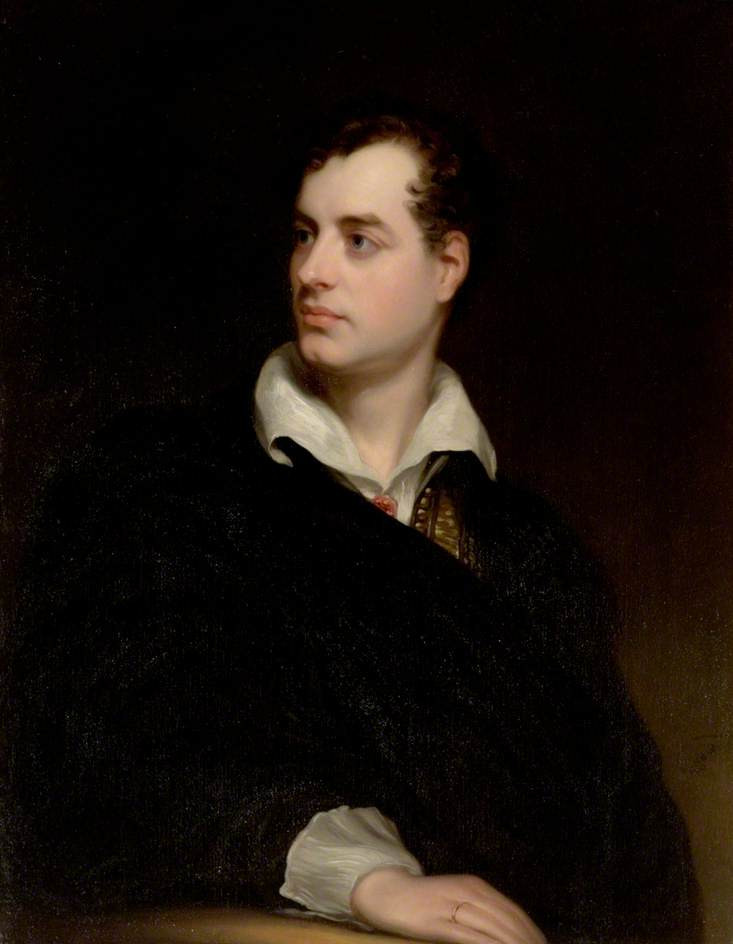
Friday Poetry: William Shakespeare

Happy Friday!

I have gone for another Shakespeare Sonnet and this one I think is perfect for Autumn.

Sonnet 73

That time of year thou mayst in me behold
When yellow leaves, or none, or few, do hang
Upon those boughs which shake against the cold,
Bare ruin’d choirs, where late the sweet birds sang.
In me thou see’st the twilight of such day
As after sunset fadeth in the west,
Which by and by black night doth take away,
Death’s second self, that seals up all in rest.
In me thou see’st the glowing of such fire
That on the ashes of his youth doth lie,
As the death-bed whereon it must expire,
Consum’d with that which it was nourish’d by.
This thou perceiv’st, which makes thy love more strong,
To love that well which thou must leave ere long.
William Shakespeare
lady book dragon signature 250w

Friday Poetry: T. E. Hulme

Happy Friday!

I hope you all have fantastic weekend plans which involves books, snuggly blankets and a hot chocolate or two.

Due to it being Autumn I have chosen an Autumn poem.


Autumn

A touch of cold in the Autumn night –

I walked abroad,

And saw the ruddy moon lean over hedge

Like a red-faced farmer.

I did not stop to speak, but nodded,

And round about were the wistful stars

With white faces like town children.


T. E. Hulme


lady book dragon signature 250w


Friday Poetry: William Shakespeare

Happy Friday Everyone!

I hope everyone has some good book plans this weekend.

The poem I have chosen is actually one of Shakespeare’s Sonnets.


Sonnet Number 8

Music to hear, why hear’st thou music sadly?

Sweets with sweets war not, joy delights in joy;

Why lov’st thou that which thou receiv’st not gladly,

Or else receiv’st with pleasure thine annoy?

If the true concord of well-tuned sounds,

By unions married, do offend thine ear,

They do but sweetly chide thee, who confounds

In singleness the parts that thou shouldst bear.

Mark how one string, sweet husband to another,

Strikes each in each by mutual ordering;

Resembling sire, and child, and happy mother,

Who, all in one, one pleasing note do sing;

Whose speechless song, being many, seeming one,

Sings this to thee: ‘Thou single wilt prove none.’


William Shakespeare


lady book dragon signature 250w

Friday Poetry: Anon

Happy Friday!

This little poem is one I learnt at primary school and it has always stuck with me so I thought I would share it today.


Thirty Days Hath September

Thirty days hath September,

April, June, and November;

All the rest have thirty-one,

Except for February alone,

And that has twenty-eight days clear

And twenty-nine in each leap year.


Anon

Have a good weekend!

lady book dragon signature 250w

Friday Poetry: Hugo Williams

Happy Friday!

Today is an unusual one for me because I have no teaching! Usually I have some lessons to teach but everyone is on holiday so that means I get an extra day off which is nice. Hopefully this means a little bit more reading.

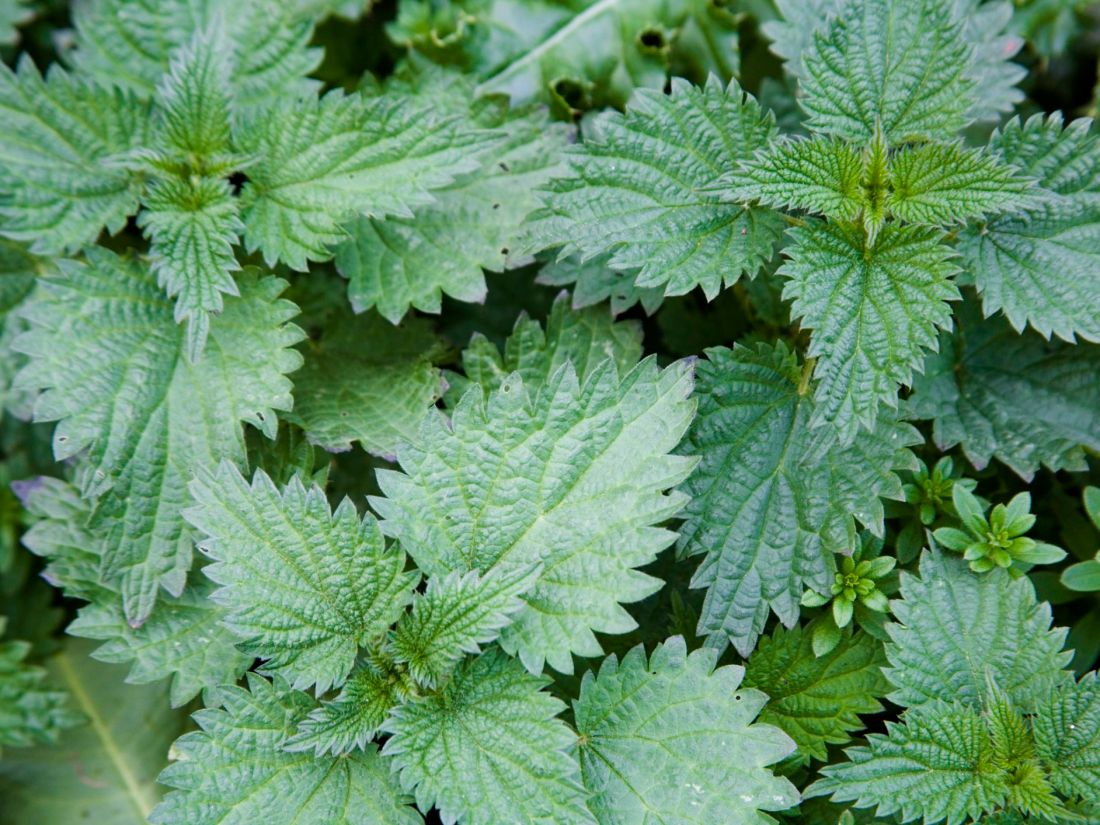
The chosen poem for this week is by Hugo Williams. I must admit I hate a nettle sting hence why I have chosen this poem. I do like nettle tea though, very calming.

Joy

Not so much a sting

as a faint burn


not so much a pain

as the memory of pain


the memory of tears

flowing freely down cheeks


in a sort of joy

that there was nothing


worse in the world

than stinging nettle stings


and nothing better

than cool dock leaves.


Hugo Williams


lady book dragon signature 250w

Friday Poetry: Gillian Clarke

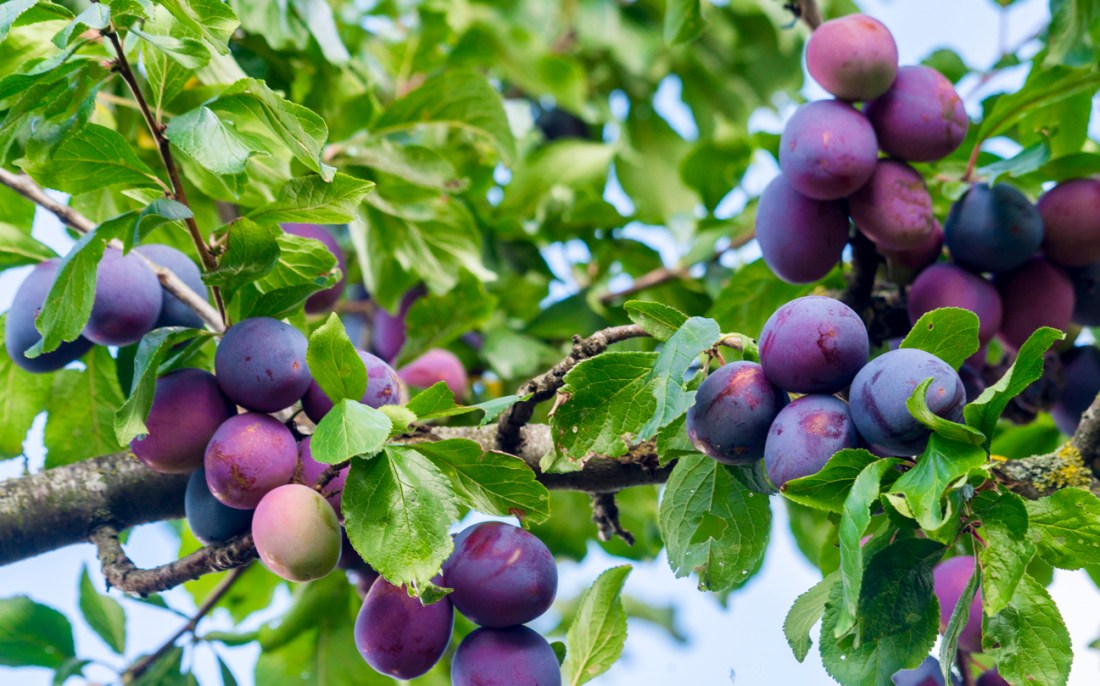
I love plums! Green Gages are my absolute favourite. Due to this I have chosen a poem about plums by the Welsh poet Gillian Clarke.


Plums

When their time comes they fall

without wind, without rain.

They seep through the trees’ muslin

in a slow fermentation.


Daily the low sun warms them

in a late love that is sweeter

than summer. In bed at night

we hear heartbeat of fruitfall.


The secretive slugs crawl home

to the burst honeys, are found

in the morning mouth on mouth,

inseparable.


We spread patchwork counterpanes

for clean catch. Baskets fill, 

never before such harvest,

such a hunters’ moon burning


the hawthorns, drunk on syrups

that are richer by night

when spiders pitch

tents in the wet grass.


This morning the red sun

is opening like a rose

on our white wall, prints there

the fishbone shadow of a fern.


The early blackbirds fly

guilty from a dawn haul

of fallen fruit. We too

breakfast on sweetnesses.


Soon plum trees will be bone,

grown delicate with frost’s

formalities. Their black

angles will tear the snow.


Gillian Clarke


lady book dragon signature 250w

Sappho: Poems and Fragments by Sappho (Review)

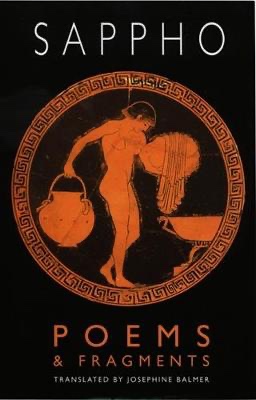
Sappho: Poems and Fragments by Sappho, translated by Josephine Balmer

About the author

0BA0484D-93F9-4D97-93FC-93F5DF627280_4_5005_c

Sappho (Σαπφώ or Ψάπφω) was an Ancient Greek lyric poet, born on the island of Lesbos. In history and poetry texts, she is sometimes associated with the city of Mytilene on Lesbos; she was also said to have been born in Eresos, another city on Lesbos. Her birth was sometime between 630 BC and 612 BC, and it is said that she died around 570 BC. The bulk of her poetry, which was well-known and greatly admired throughout antiquity, has been lost, but her immense reputation has endured through surviving fragments.

About the translator

Josephine Balmer is a British poet, translator of classics and literary critic.

Blurb

This second, expanded edition of Josephine Balmer’s classic translation of the Greek poet Sappho has new, recently-discovered fragments, including the Brothers Poem, the Kypris Song and the Cologne Fragment. In a new essay on these additions she discusses the issues raised in translating these fragmentary and ever-shifting texts. Poems & Fragments is now the only complete, readily-available translation in English of Sappho’s surviving work. Sappho was one of the greatest poets in classical literature. Her lyric poetry is among the finest ever written, and although little of her work has survived and little is known about her, she is regarded not just as one of the greatest women poets, but often as the greatest woman poet in world literature. In a comprehensive introduction, Balmer discusses Sappho’s poetry, its historical background and critical reputation, as well as aspects of contemporary Greek society, sexuality, and women.

Review

This is another read for my Masters and I must admit I was very excited to read it as I had done a unit on Sappho and just a handful of her work so it was nice to read all her known works. Sappho’s work sadly is mainly only fragments and I will be honest I find this so depressing as from the known fragments that we do have it is evident that Sappho was an amazing talent. I just hope more of her work is found over time like it has been so far.

The introduction of this book is excellent and I really enjoyed how it was broken down into sections and was so informative. I also enjoyed the section on the new fragments that have been found recently.

I’ve always found Sappho a fascinating character and I wish more was known about this very talented poet but sadly not a lot is known and what we do know was written many years after her death and can’t be relied upon.

Sappho’s poetry although only fragmentary is full of passion and life and it was a joy to read. Her poetry is full of different forms of love; romantic love, maternal love, friendship and love for all the many wonders in this world. I love reading her poetry because it is as relevant today as it was when it was written, Sappho is timeless.

Balmer has been really sympathetic with the translation and the translation flows well which makes reading this book a joy. I will admit I could not put it down once I started reading it.

I highly recommend this book, it might be mainly fragments but it is worth the read to see how this amazing woman’s voice has survived all these years and opens up a small window to a part of history that was thousands of years ago. I really hope we continue to find more of her work and hopefully learn more about this talented poet. I give this book 5 out of 5 Dragons and I leave you with one of my favourite fragments.

Beauty endures only for as long as it is seen;

goodness, beautiful today, will remain so tomorrow.


Purchase Links

Book DepositoryWaterstonesWordery

(All purchases made using one of the above affiliate links gives a small percentage of money to myself with no extra cost to yourself. All proceeds go towards the upkeep of this blog. Thank you)


lady book dragon signature 250w

Friday Poetry: Allan Ahlberg

Happy Friday!

Lots of schools are now going back so I have chosen an appropriate poem for the occasion.


Please Mrs Butler

Please Mrs Butler

This boy Derek Drew

Keeps copying my work, Miss.

What shall I do?


Go and sit in the hall, dear.

Go and sit in the sink.

Take your books on the roof, my lamb.

Do whatever you think.


Please Mrs Butler

This boy Derek Drew

Keeps taking my rubber, Miss.

What shall I do?


Keep it in your hand, dear.

Hide it up your vest.

Swallow it if you like, love.

Do what you think best.


Please Mrs Butler

This boy Derek Drew

Keeps calling me rude names, Miss.

What shall I do?


Lock yourself in the cupboard, dear.

Run away to sea.

Do whatever you can, my flower.

But don’t ask me!


Allan Ahlberg


lady book dragon signature 250w


Friday Poetry: Anon

Happy Bank Holiday Weekend!

I hope everyone has some good reading planned for the long weekend. Now you will have noticed this is a day late but to be honest I forgot, but I thought I would still post the chosen poem anyway. Also it isn’t technically a poem but hopefully you will enjoy it.


This is the House That Jack Built


This is the farmer sowing his corn,

That kept the cock that crowed in the morn,

That waked the priest all shaven and shorn,

That married the man all tattered and torn,

That kissed the maiden all forlorn,

That milked the cow with the crumpled horn,

That tossed the dog,

That worried the cat,

That killed the rat,

That ate the malt

That lay in the house that Jack built.


Anon


lady book dragon signature 250w

Friday Poetry: Lord Byron

Happy Friday!

My chosen poem today is by the notorious Lord Byron who is known for his often outrageous writings and misadventures.


So, We’ll Go No More a-Roving


So, we’ll go no more a-roving

So late into the night,

Though the heart be still as loving,

And the moon be still as bright.


For the sword outwears its sheath,

And the soul wears out the breast,

And the heart must pause to breathe,

And love itself have rest.


Though the night was made for loving,

And the day returns too soon,

Yet we’ll go no more a-roving

By the light of the moon.

Lord Byron


lady book dragon signature 250w