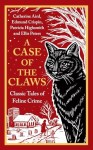
It’s deep winter. Time to light the fire, pull up a blanket and curl up with your cat. But is your feline friend playing innocent? What were they up to while you were out of sight?
Slink through shadows in these classic cat-themed mystery tales from beloved crime authors Catherine Aird, Edmund Crispin, Patricia Highsmith and Ellis Peters.
A Case of the Claws bring a thrilling winter chill to the festive season and are these furry friends the guardians of our secrets or omens of misfortune?
Review
This is my first festive read of the season and one that I only recently bought. I will be honest I couldn’t not buy this book because it is about cats!
The book consists of four short stories that all involve cats who help solve crimes. Trinity Cat by Ellis Peters, Ming’s Biggest Prey by Patricia Highsmith, The Hunchback Cat by Edmund Crispin and Touch Not the Cat by Catherine Aird.
Trinity Cat by Ellis Peters was my absolute favourite story of the book. It instantly hooks you in and you can’t help but fall in love with Trinity Cat. Trinity Cat is a real character who I would love to meet. He also clearly knows more than the local police. There are some really funny scenes in this short story that made me giggle out loud.
Ming’s Biggest Prey by Patricia Highsmith was my second favourite of the short stories. I really liked the character of Ming and how the story is told through Ming’s perspective. Ming knew exactly what was going on and knew what needed to be done. I was really rooting for Ming in this story.
Touch Not the Cat by Catherine Aird was a good short story but I did find it lacked a certain something and was one of these stories that you could easily forget. It is another story where the cat is instrumental in catching the murderer.
The Hunchback Cat by Edmund Crispin was my least favourite story of the group. It started off promising but then it just ended up rushed at the end and left me very unsatisfied. I really felt that the author wasn’t comfortable writing short stories.
Overall, I really enjoyed this quick read and found it a perfect start to my festive reading. Short stories are always a favourite at Christmas as everything is so busy you can just read a story a day if you wish. I give this book 4 out of 5 Dragons.
My chosen poem this week is by Walter de la Mare (1873-1956) who was an English poet, short story writer and novelist. He is best known for his works for children.
Mistletoe
Sitting under the mistletoe (Pale-green, fairy mistletoe), One last candle burning low, All the sleepy dancers gone, Just one candle burning on, Shadows lurking everywhere: Some one came, and kissed me there.
Tired I was; my head would go Nodding under the mistletoe (Pale-green, fairy mistletoe), No footsteps came, no voice, but only, Just as I sat there, sleepy, lonely, Stooped in the still and shadowy air Lips unseen—and kissed me there.
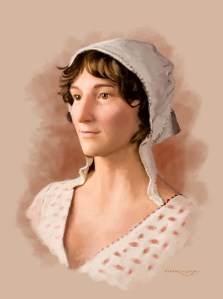
Today is the birthday of Jane Austen. It has been 250 years since Jane Austen was born. 250 years since one of my favourite authors entered the world!
The works of Jane Austen are some of my all time favourite books and ones that I have read over and over again. Over the years my favourite Jane Austen book has changed and I imagine it will continue to change. At first Sense and Sensibility was my favourite, then Pride and Prejudice and now it is Persuasion.
Last week I went on the tour at the Jane Austen centre in Bath again and absolutely loved it. If I was lucky enough to live in Bath I would definitely try and get a job there.
Jane Austen started my love of classics and she is my ultimate comfort author who I will always return to. So thank you Jane Austen. Thank you for inspiring my love of reading and always been there when I need a comfort read.
I have had a lovely day of reading and relaxing today which has been just what I needed.
I have been busy planning the Carol service for the church I play the organ for and I found this little poem which I thought I would use for my blog today and the Carol service later this month.
The poem is by the Cornish poet, school teacher and writer Charles Causley (1917-2003).
Mary's Song
Your royal bed Is made of hay In a cattle-shed. Sleep, King Jesus, Do not fear, Joseph is watching And waiting near.
Warm in the wintry air You lie, The ox and the donkey Standing by, With summer eyes They seem to say: Welcome, Jesus, On Christmas Day!
Sleep, King Jesus: Your diamond crown High in the sky Where the stars look dawn. Let your reign Of love begin, That all the world May enter in.
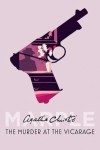
‘Anyone who murdered Colonel Protheroe,’ declared the parson, brandishing a carving knife above a joint of roast beef, ‘would be doing the world a large favour!’
It was a careless remark for a man of the cloth. And one which comes back to haunt the clergyman just a few hours later – when the Colonel is found shot dead in the clergyman’s study. But as Miss Marple soon discovers, the whole village seems to have had a motive to kill Colonel Protheroe.
The first Miss Marple mystery, one which tests all her powers of observation and deduction.
Review
I finally got to a Miss Marple novel in my Agatha Christie challenge. I have been really excited about reading the Miss Marple books because I always loved the TV series. I find Miss Marple the perfect cosy mystery.
Leonard Clement is the local vicar of St Mary Mead and is married to Griselda. St Mary Mead is a sleepy little hamlet where everyone knows everyone’s business and Leonard is regularly asked for guidance on all matters.
Colonel Protheroe has been found dead in Leonard’s study. However, as Miss Marple soon begins to realise almost everyone in St Mary Mead had a motive to kill the Colonel. The police who are assigned to the case are quite useless which is a typical trait of a Christie book and one that I always look forward to because I always have a good laugh at the mistakes the police make.
Miss Marple is on the case and she clearly already has an idea who committed the murder but she tells Leonard that she has seven suspects. Miss Marple annoys the police and always appears as a little old lady who is everyone’s neighbour and friend. Nobody sees her as a threat.
I did enjoy this book but I didn’t find it up to Christie’s usual standards. Considering this novel is a Miss Marple book I did find that Miss Marple was hardly in it and would have liked to have seen more of her. Griselda rather got on my nerves and I found her rather useless and not the best wife for a vicar. I really hope my next Miss Marple book features more of Miss Marple. I give this book 3 out of 5 Dragons.
🐲🐲🐲
About the author
Agatha Christie (1890-1976) was an English writer known for her 66 detective novels and 14 short story collections. She also wrote the world’s longest running play, The Mousetrap. She also wrote 6 novels under the name Mary Westmacott.
My chosen quote this week has a festive twist and is by the American memoirist, essayist, poet and civil rights activist, Maya Angelou (1928-2014).
“I’ve learned that you can tell a lot about a person by the way he handles these three things: a rainy day, lost luggage, and tangled Christmas tree lights.”
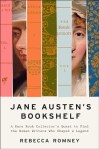
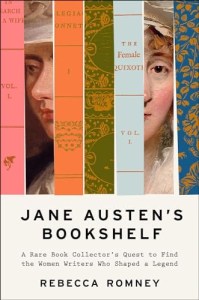
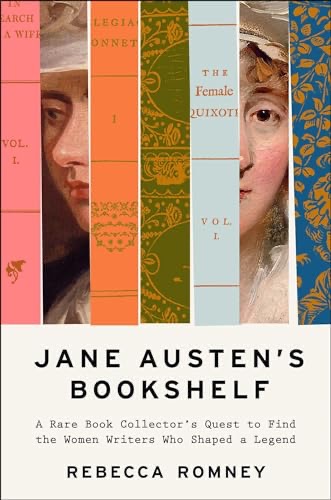
Long before she was a rare book dealer, Rebecca Romney was a devoted reader of Jane Austen. She loved that Austen’s books took the lives of women seriously, explored relationships with wit and confidence, and always, allowed for the possibility of a happy ending. She read and reread them, often wishing Austen wrote just one more.
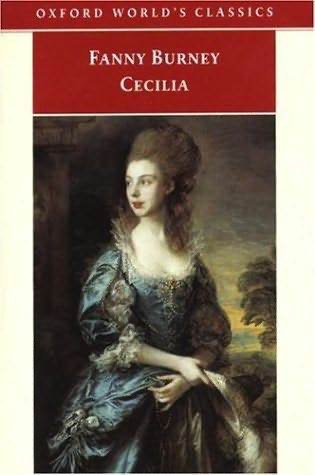
But Austen wasn’t a lone genius. She wrote at a time of great experimentation for women writers—and clues about those women, and the exceptional books they wrote, are sprinkled like breadcrumbs throughout Austen’s work. Every character in Northanger Abbey who isn’t a boor sings the praises of Ann Radcliffe. The play that causes such a stir in Mansfield Park is a real one by the playwright Elizabeth Inchbald. In fact, the phrase “pride and prejudice” came from Frances Burney’s second novel Cecilia. The women that populated Jane Austen’s bookshelf profoundly influenced her work; Austen looked up to them, passionately discussed their books with her friends, and used an appreciation of their books as a litmus test for whether someone had good taste. So where had these women gone? Why hadn’t Romney—despite her training—ever read them? Or, in some cases, even heard of them? And why were they no longer embraced as part of the wider literary canon?
Jane Austen’s Bookshelf investigates the disappearance of Austen’s heroes—women writers who were erased from the Western canon—to reveal who they were, what they meant to Austen, and how they were forgotten. Each chapter profiles a different writer including Frances Burney, Ann Radcliffe, Charlotte Lennox, Charlotte Smith, Hannah More, Elizabeth Inchbald, Hester Lynch Thrale Piozzi, and Maria Edgeworth—and recounts Romney’s experience reading them, finding rare copies of their works, and drawing on connections between their words and Austen’s. Romney collects the once-famed works of these forgotten writers, physically recreating Austen’s bookshelf and making a convincing case for why these books should be placed back on the to-be-read pile of all book lovers today. Jane Austen’s Bookshelf will encourage you to look beyond assigned reading lists, question who decides what belongs there, and build your very own collection of favourite novels.
Review
As soon as I saw this book I put it on my birthday list and my wonderful husband bought it for me. It was on my TBR pile for just over a week before I started reading it as I couldn’t resist.
I absolutely loved this book and could not put it down. The first thing I liked was the layout of the book as each chapter focuses on one of the authors that Jane Austen was known to have read. We get a good history of each author and what books, plays or collections of poems they wrote. We also learn about Jane Austen and how her life linked with these authors. I also really enjoyed learning about the reasons these women chose to write.
The other element I enjoyed was learning a bit about the rare book trade and how rare book dealers work. I enjoyed learning about the different editions that Romney collected, how she hunted them down, purchased them and appreciated them. I loved learning about rare editions of Austen novels and first editions of the authors focused on in the book. I also loved learning about how books were published in Austen’s time, how the print runs ran and what the paper and binding was made out of.
The only problem I had with this book was that as soon as I started reading this book I started a list of all the books these authors had written with the plan of reading them myself one day. This means my wish list of books has grown hugely. I have actually read a few off the list because I had an amazing English teacher who introduced me to the work of Ann Radcliffe and I became a fan of Frances Burney earlier this year. However, there are still plenty of books left for me to collect and read. I give this book 5 out of 5 Dragons and it is definitely one of my top reads of 2025.
🐲🐲🐲🐲🐲
About the author
Rebecca Romney is a rare book dealer and the cofounder of Type Punch Matrix, a rare book company based in Washington, DC. She is the rare books specialist on the HISTORY Channel’s show Pawn Stars, and the cofounder of the Honey & Wax Book Collecting Prize. She is a generalist rare book dealer, handling works in all fields, from first editions of Jane Austen to science fiction paperbacks. Her work as a bookseller or writer has been featured in The New York Times, The Atlantic, Forbes, Variety, The Paris Review, and more. In 2019, she was featured in the documentary on the rare book trade, The Booksellers. She is on the Board of the Antiquarian Booksellers’ Association of America (ABAA) and the faculty of the Antiquarian Book Seminar (CABS-Minnesota).
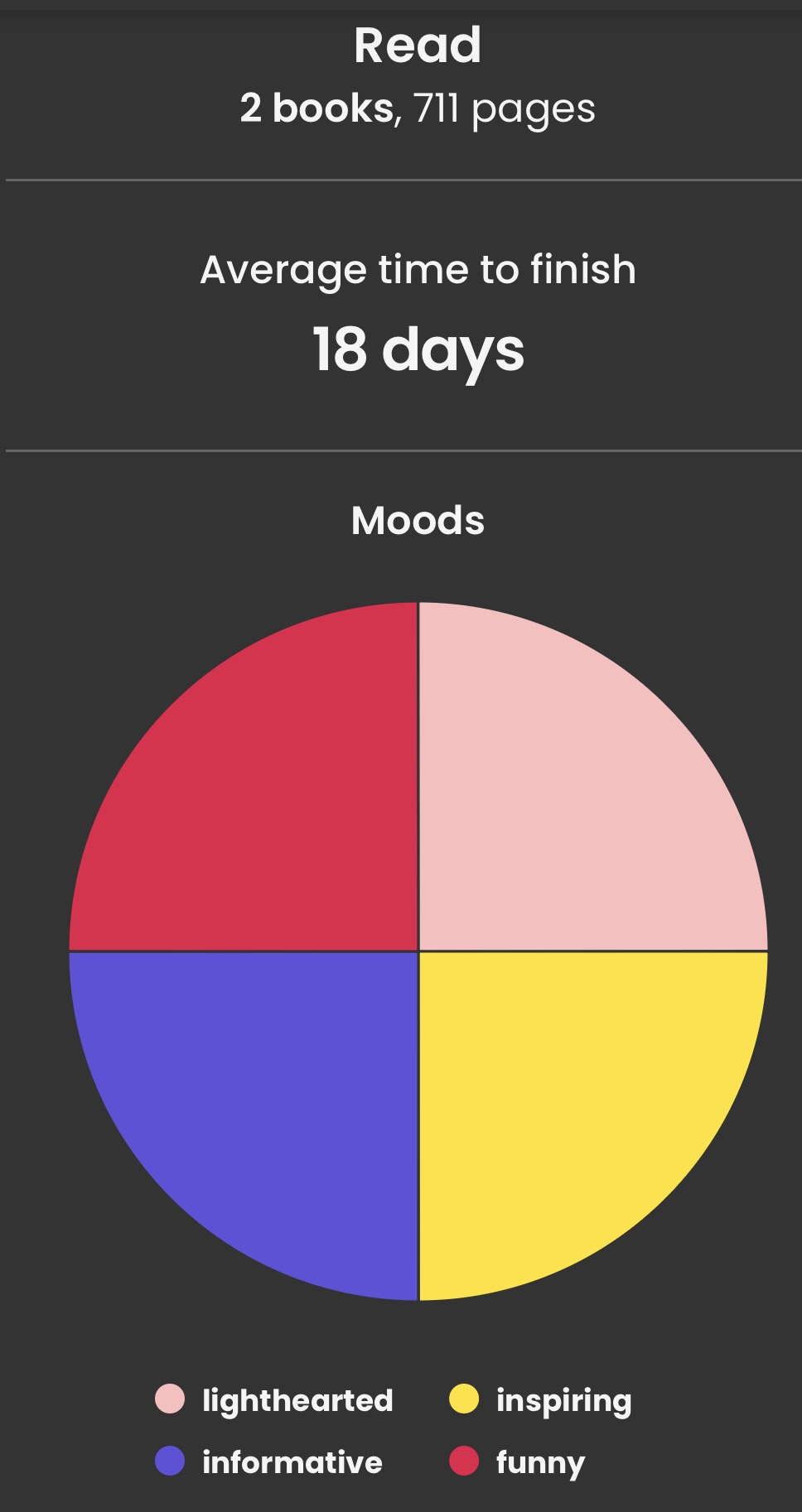
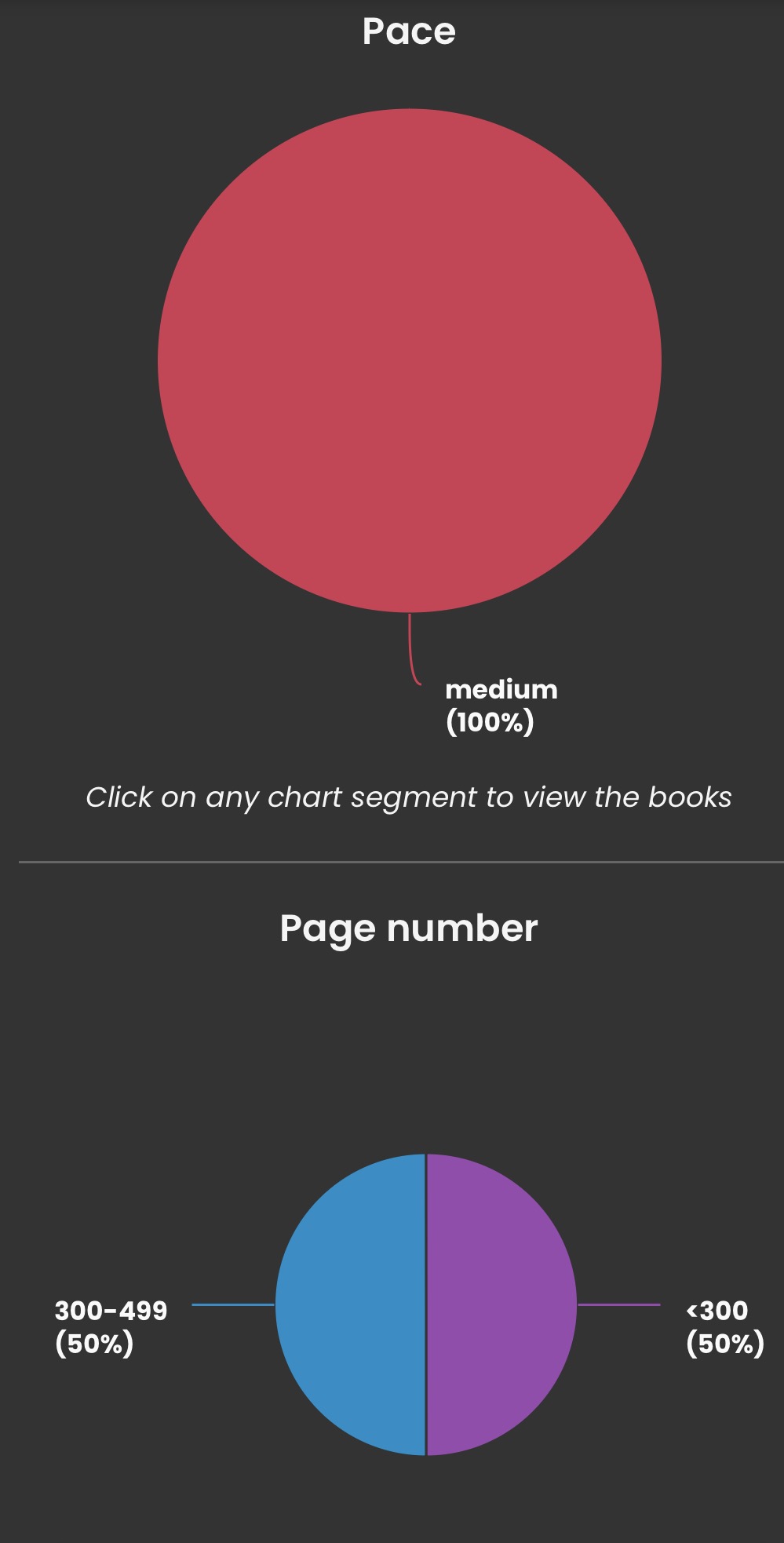
November wasn’t such a good reading month for me but what I did read I really enjoyed. I have completed my Goodreads reading challenge for the year now so that I really good.
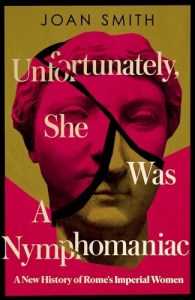
Writer, activist and journalist Joan Smith has worked for years to raise awareness of violence against women and girls. And has been instrumental in bringing the innate misogyny of the police to public attention. Her new book will reinterpret the bloody, violent story of imperial women at the hands of (in no particular order) Nero, Augustus, Tiberius, Caligula – and others. These imperial mothers, daughters and wives – were the most privileged women of their time but their lives were overshadowed, dominated and controlled by these men. Raped, killed, ripped apart from their children, and mostly airbrushed from history, Joan Smith brings these women back into light and into focus, offering an account of their extraordinary and tragic lives.
In Unfortunately, She was a Nymphomaniac, Smith pieces together the stories of these women, showing how they struggled for control of their lives at a time when both the law and culture were stacked against them. It is not a conventional history but an interpretation of the original texts informed by what we know now about the mechanics of domestic abuse. There are no ‘nymphomaniacs’ here but the picture that emerges is one of spirited, inspiring and sometimes reckless resistance to male authority. The way these women have been misrepresented for two thousand years speaks volumes not just about ancient misogyny, but the origin and persistence of attitudes that continue to blight women’s lives today.







 Lady Book Dragon