As Kingfishers Catch Fire by Gerard Manley Hopkins (Review)

As Kingfishers Catch Fire by Gerard Manley Hopkins

31iZQcQewpL._SX343_BO1,204,203,200_

About the author

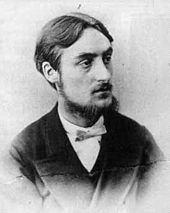
Gerard_Manley_Hopkins

Gerard Manley Hopkins was born on the 28th July 1844, he was an English poet and Jesuit priest. His two main themes in his poetry are nature and religion. He died in 1889 of what is believed to be typhoid fever. His work was largely ignored during his life but was published posthumously.

Blurb

Considered unpublishable in his lifetime, the Victorian priest’s groundbreaking, experimental verse on nature’s glory and despair.

Review

Oh dear, as I have mentioned in the past I struggle with poetry and this book has been a massive challenge and although I persevered I did not enjoy the poetry.

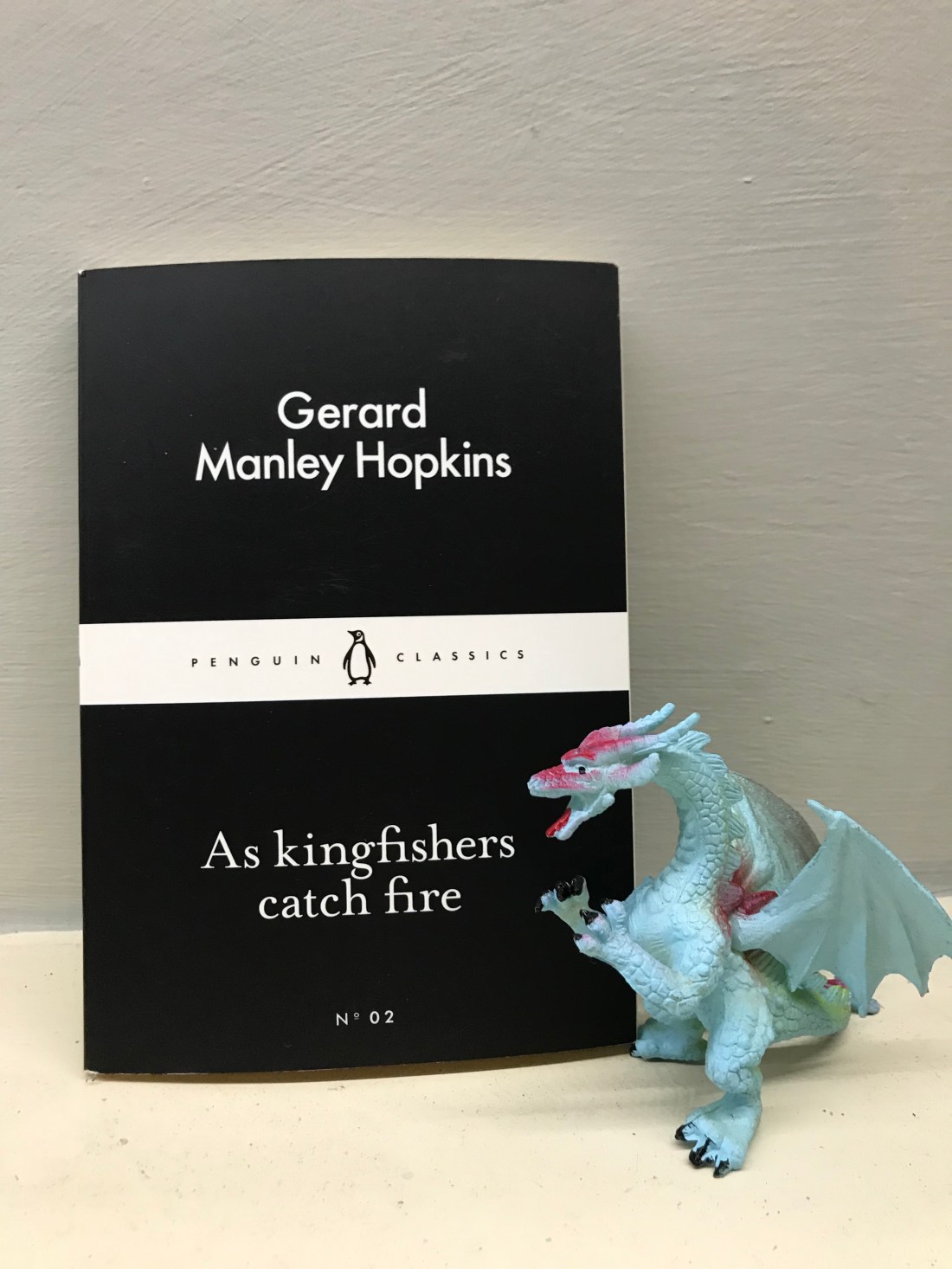
The second book in the Penguin Little Black Classics is a series of poems by Gerard Manley Hopkins and titled after possibly his most famous poem As Kingfishers Catch Fire.

The main thing I struggled with was that I found the poetry stilted and lacking fluency. I also found his use of imagery a bit strange and his wording a struggle to grasp.

Overall I just struggled full stop and would not read anything of this author again, if it was not for the fact the book was so short I doubt I would have finished it. I have problems appreciating poetry but have recently been enjoying reading through some poetry books and discovering new poets that I enjoy to read. Sadly though this book did not appeal and I only give this little book of poems 1 dragon out 5.
W7a0GMDhSTyNDMp1C%Mjxw

Friday Poetry

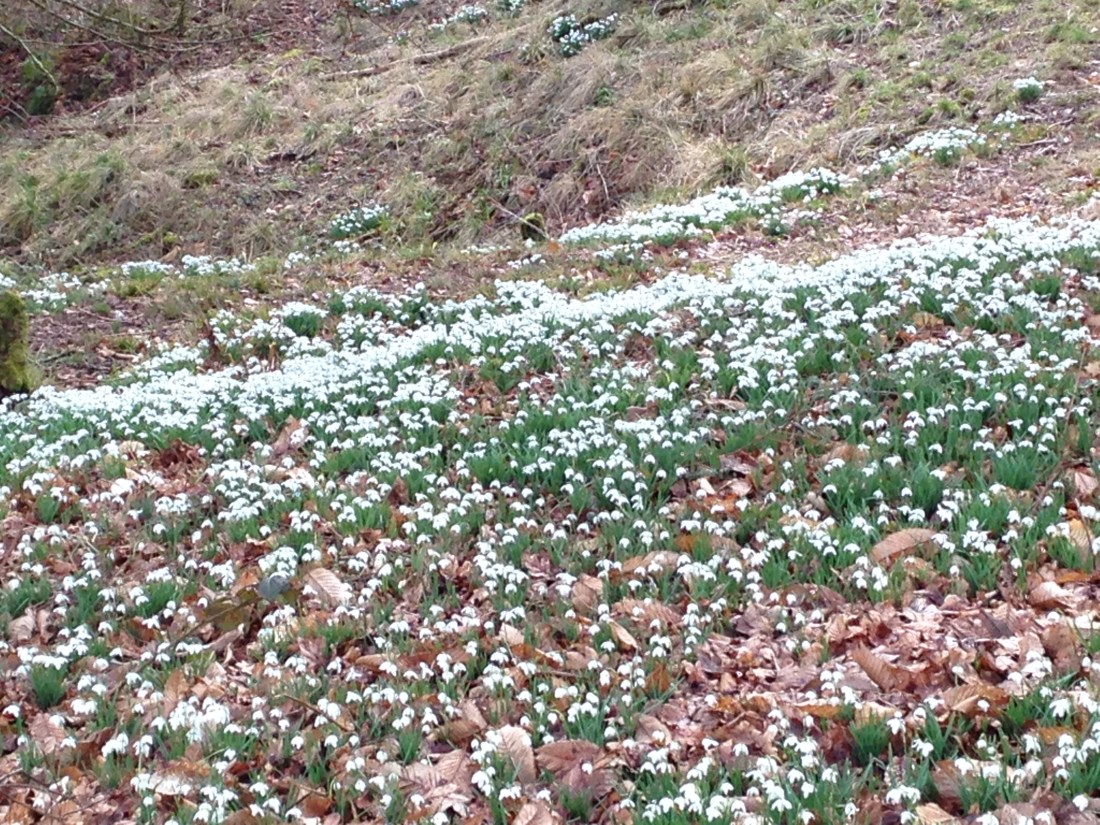
Happy Friday! The first snowdrops are out so I thought a suitable poem was needed.


To A Snowdrop

Lone flower, hemmed in with snows, and white as they
But hardier far, once more I see thee bend
Thy forehead as if fearful to offend,
Like an unbidden guest. Though day by day
Storms, sallying from the mountain-tops, waylay
The rising sun, and on the plains descend;
Yet art thou welcome, welcome as a friend
Whose zeal outruns his promise! Blue-eyed May
Shall soon behold this border thickly set
With bright jonquils, their odours lavishing
On the soft west-wind and its frolic peers;
Nor will I then thy modest grace forget,
Chaste snowdrop, venturous harbinger of Spring,
And pensive monitor of fleeting years!

William Wordsworth


Lady Book Dragon.

img_0262

Friday Poetry

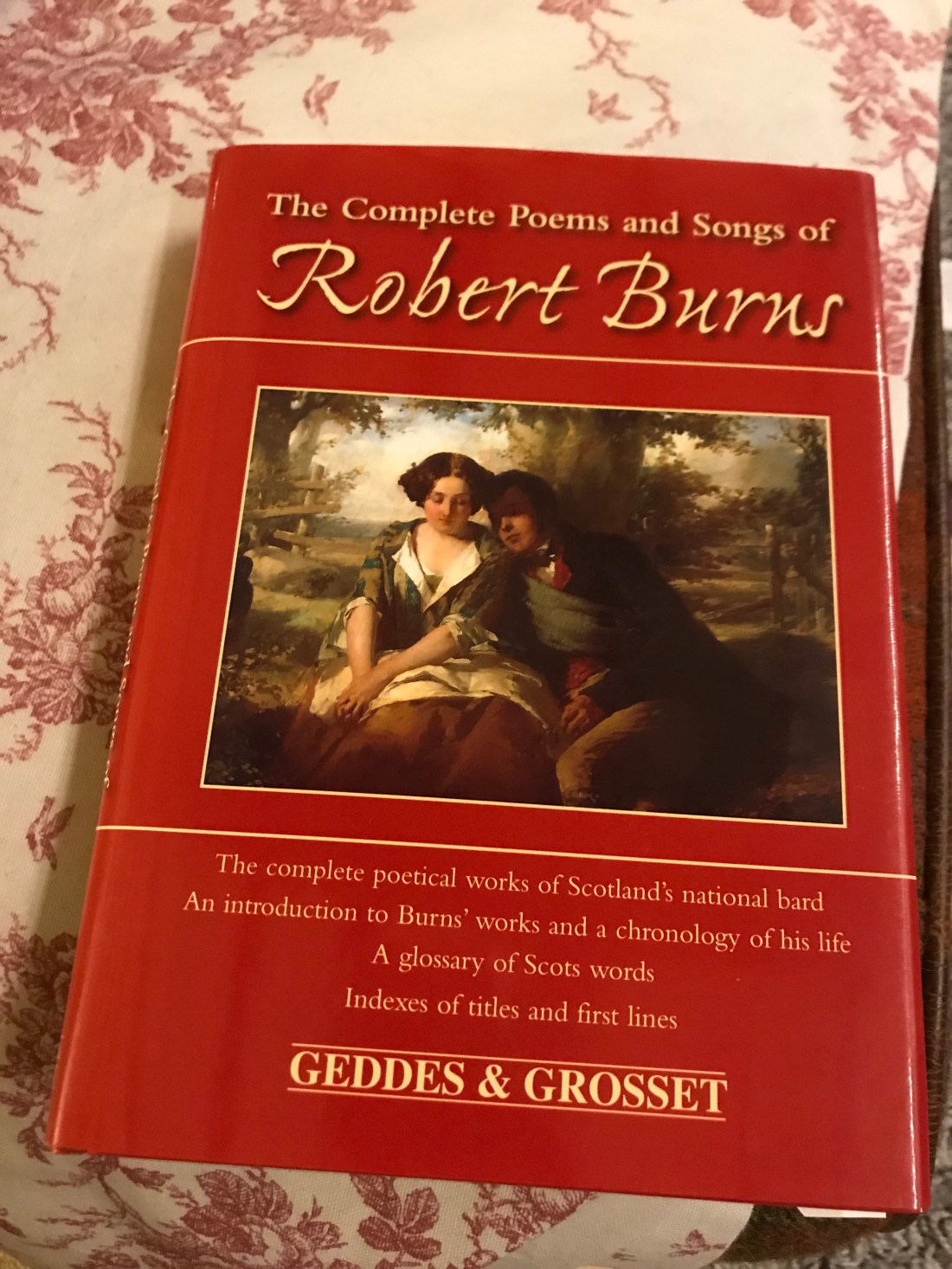
Happy Burns Night everybody! I thought we needed a suitable poem to celebrate the occassion.

A long time ago I bought a wonderful book full of all of Robert Burns poetry and songs and since then I have dipped in the book occassionally to read some of the poems and songs. I think Burns most famous poem is the one I have chosen below. I hope you enjoy it!

nubwlebsro+cyrzglg3hyw


Address To A Haggis

Fair fa’ your honest, sonsie face,
Great chieftain o the puddin’-race!
Aboon them a’ ye tak your place,
Painch, tripe, or thairm:
Weel are ye worthy o’ a grace
As lang’s my arm.

The groaning trencher there ye fill,
Your hurdies like a distant hill,
Your pin wad help to mend a mill
In time o need,
While thro your pores the dews distil
Like amber bead.

His knife see rustic Labour dight,
An cut you up wi ready slight,
Trenching your gushing entrails bright,
Like onie ditch;
And then, O what a glorious sight,
Warm-reekin, rich!

Then, horn for horn, they stretch an strive:
Deil tak the hindmost, on they drive,
Till a’ their weel-swall’d kytes belyve
Are bent like drums;
The auld Guidman, maist like to rive,
‘Bethankit’ hums.

Is there that owre his French ragout,
Or olio that wad staw a sow,
Or fricassee wad mak her spew
Wi perfect scunner,
Looks down wi sneering, scornfu view
On sic a dinner?

Poor devil! see him owre his trash,
As feckless as a wither’d rash,
His spindle shank a guid whip-lash,
His nieve a nit;
Thro bloody flood or field to dash,
O how unfit!

But mark the Rustic, haggis-fed,
The trembling earth resounds his tread,
Clap in his walie nieve a blade,
He’ll make it whissle;
An legs an arms, an heads will sned,
Like taps o thrissle.

Ye Pow’rs, wha mak mankind your care,
And dish them out their bill o fare,
Auld Scotland wants nae skinking ware
That jaups in luggies:
But, if ye wish her gratefu prayer,
Gie her a Haggis


Lady Book Dragon

Friday Poetry

Today is A. A. Milne’s birthday! So I went for a suitably related poem. I hope everyone has a good weekend planned ahead of them.

The King’s Breakfast


The King asked

The Queen, and

The Queen asked

The Dairymaid:

“Could we have some butter

The Royal slice of bread?”

The Queen asked

The Dairymaid,

The Dairymaid

Said: “Certainly,

I’ll go and tell

The cow

Now

Before she goes to bed.”


The Dairymaid

She curtsied,

And went and told

The Alderney:

“Don’t forget the butter for

The Royal slice of bread.”

The Alderney

Said sleepily:

“You’d better tell

His majesty

That many people nowadays

Like marmalade

Instead.”


The Dairymaid

Said “Fancy!”

And went to 

Her Majesty.

She curtsied to the Queen, and

She turned a little red:

“Excuse me,

Your Majesty, 

For taking of 

The liberty,

But marmalade is tasty, if 

It’s very

Thickly

Spread.”


The Queen said:

“Oh!”

And went to 

His Majesty:

“Talking of the butter for

The Royal slice of bread,

Many people

Think that 

Marmalade

Is nicer.

Would you like to try a little

Marmalade

Instead?”


The King said:

“Bother!”

And then he said

“Oh, deary me!”

The King sobbed: “Oh, deary me!”

And went back to bed.

“Nobody,”

He wimpered

“Could call me

A fussy man;

I only want

A little bit

Of butter for 

My bread!”


The Queen said:

“There, there!”

And went to

The Dairymaid.

The Dairymaid

Said: “There, there!”

And went to the shed.

The cow said:

“There, there!

I didn’t really 

Mean it;

Here’s milk for his porringer

And butter for his bread.”


The Queen took

The butter

And brought it to

His Majesty;

The King said:

“Butter, eh?”

And bounced out of bed.

“Nobody,” he said:

As he kissed her

Tenderly,

“Nobody,” he said,

As he slid down

The banisters,

“Nobody,

My darling,

Could call me

A fussy man-

BUT

I do like a bit of butter to my bread!”


A. A. Milne


Lady Book Dragon.

Friday Poetry

Here is my chosen poem of the week, my first Tennyson poem since school. Hope you enjoy it.

The Oak

Live thy Life,

Young and old,

Like yon oak,

Bright in spring,

Living gold


Summer-rich

Then, and then

Autumn-changed,

Soberer-hued

Gold again.


All his leaves

Fall’n at length,

Look, he stands,

Trunk and bough,

Naked strengh.


Alfred, Lord Tennyson.


Lady Book Dragon.

Friday Poetry

On the 6th January it will be Epiphany when the Kings arrive to see Jesus, so I have chosen a poem to reflect this ocassion. This is also one of my favourites that I did at school.

Journey of the Magi

“A cold coming we had of it,

Just the worst time of the year

For a journey, and such a long journey:

The ways deep and the weathers sharp,

The very dead of winter.”

And the camels galled, sore-footed, refractory,

Lying down in the melting snow.

There were times we regretted

The summer palaces on slopes, the terraces,

And the silken girls bringing sherbet.

Then the camel men cursing and grumbling

And running away, and wanting their liquor and women,

And the night-fires going out, and the lack of shelters,

And the cities hostile and the towns unfriendly

And the villages dirty and charging high prices:

A hard time we had of it.

At the end we preferred to travel all night,

Sleeping in snatches,

With the voices singing in our ears, saying

That this was all folly.


Then at dawn we came down to a temperate valley,

Wet, below the snow line, smelling of vegetation, 

With a running stream and a water-mill beating the darkness,

And three trees on the low sky.

And an old white horse galloped away in the meadow.

Then we came to a tavern with vine-leaves over the lintel,

Six hands at an open door dicing for pieces of silver,

And feet kicking the empty wine-skins.

But there was no information, so we continued

And arrived at evening, not a moment too soon

Finding the place; it was (you may say) satisfactory.


All this was a long time ago, I remember, 

And I would do it again, but set down

This set down

This: were we led all that way for

Birth or Death? There was a Birth, certainly,

We had evidence and no doubt. I had seen birth and death,

But had thought they were different; this Birth was 

Hard and bitter agony for us, like Death, our death.

We returned to our places, these Kingdoms,

But no longer at ease here, in the old dispensation,

With an alien people clutching their gods.

I should be glad of another death.


T. S. Eliot


Lady Book Dragon

Friday Poetry

Happy Fourth Day of Christmas!

I’m sticking with Christmas themed poetry as we are officially in the Twelve Days of Christmas.

Christmas Song

Above the wearey waiting world.

Asleep in chill despair,

There breaks a sound of joyous bells

Upon the frosted air.

And o’er the humblest rooftree, lo,

A star is dancing on the snow.


What makes the yellow star to dance

Upon the brink of night?

What makes the breaking dawn to glow

So magically bright, – 

And all the earth to be renewed

With infinite beatitude?


The singing bells, the throbbing star,

The sunbeams on the snow,

And the awakening heart that leaps

New ecstasy to know, – 

They all are dancing in the morn

Because a little child is born.


Bliss Carman.


Lady Book Dragon.

Friday Poetry

As we near Christmas I have gone for a poem by Thomas Hardy. I love the work of Thomas Hardy, I have read many of his books and a few of his poems in the past. I think in 2019 I will try and read a bit more of his poetry as I rather enjoy it. Maybe my challenge is working and I am starting to enjoy reading poetry.

The Oxen

Christmas Eve, and twelve of the clock.

“Now they are all on their knees,”

An elder said as we sat in a flock

By the embers in the hearthside ease.


We Pictured the meek mild creatures where

They dwelt in their starwy pen,

Nor did it occur to one of us there

To doubt they were kneeling then.


So fair a fancy few would weave

In these years! Yet, I feel,

If someone said on Christmas Eve,

“Come, see the oxen kneel,”


“In the lonely barton by yonder coomb

Our childhood used to know,”

I should go with him in the gloom,

Hoping it might be so.


Thomas Hardy


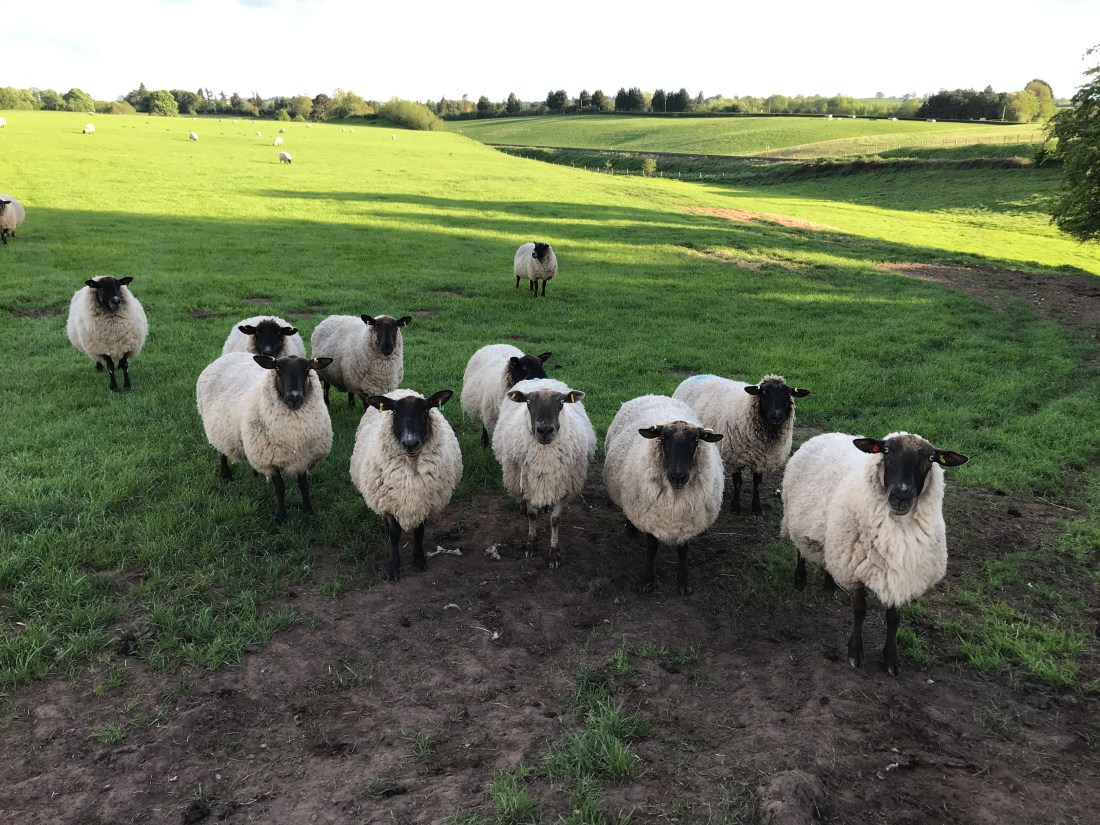
P.S I know the picture is of sheep but sadly I did not have any pictures of Oxen but sheep were there at the stable so I thought I could get away with it.

Lady Book Dragon.

Friday Poetry

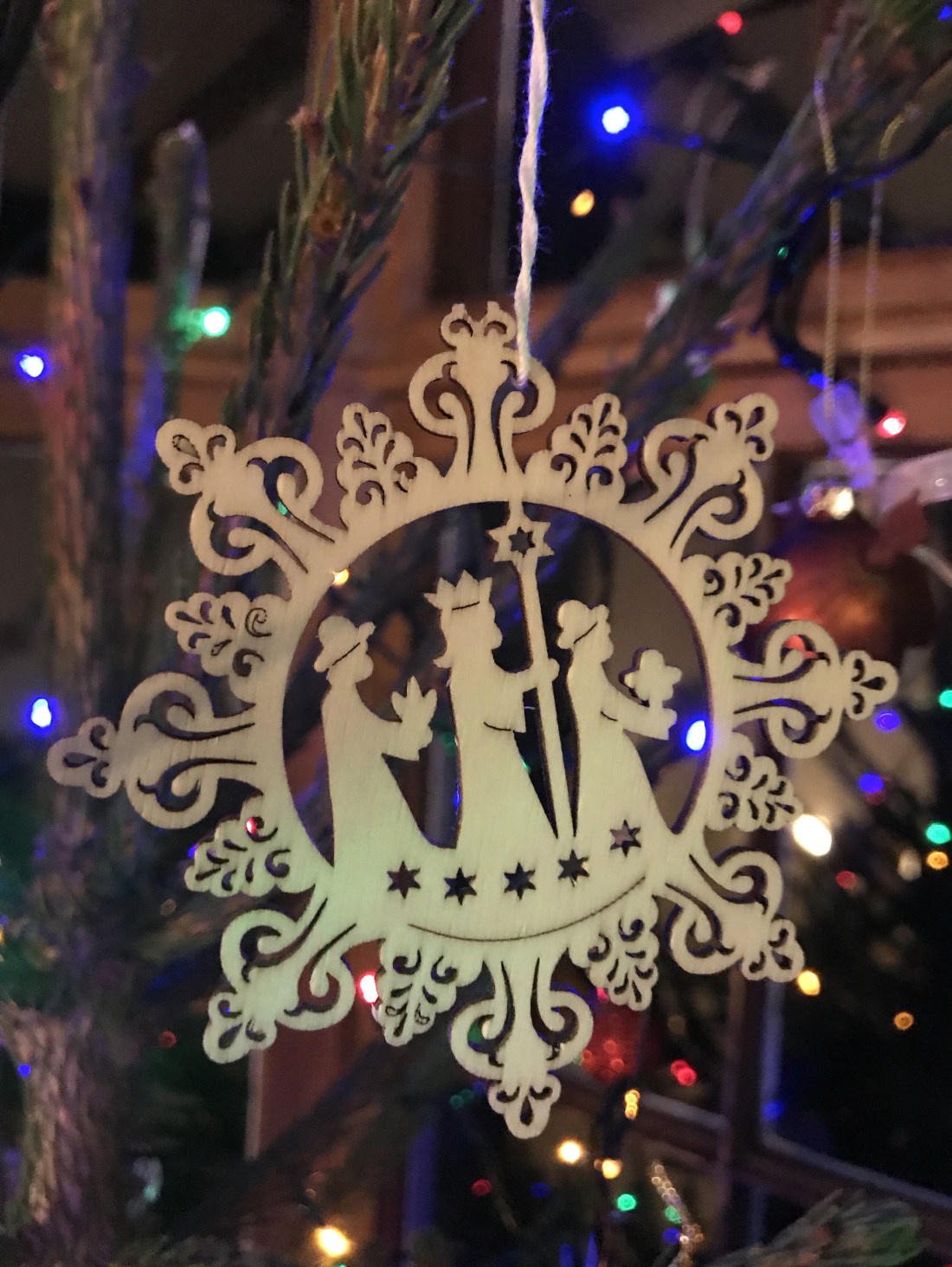
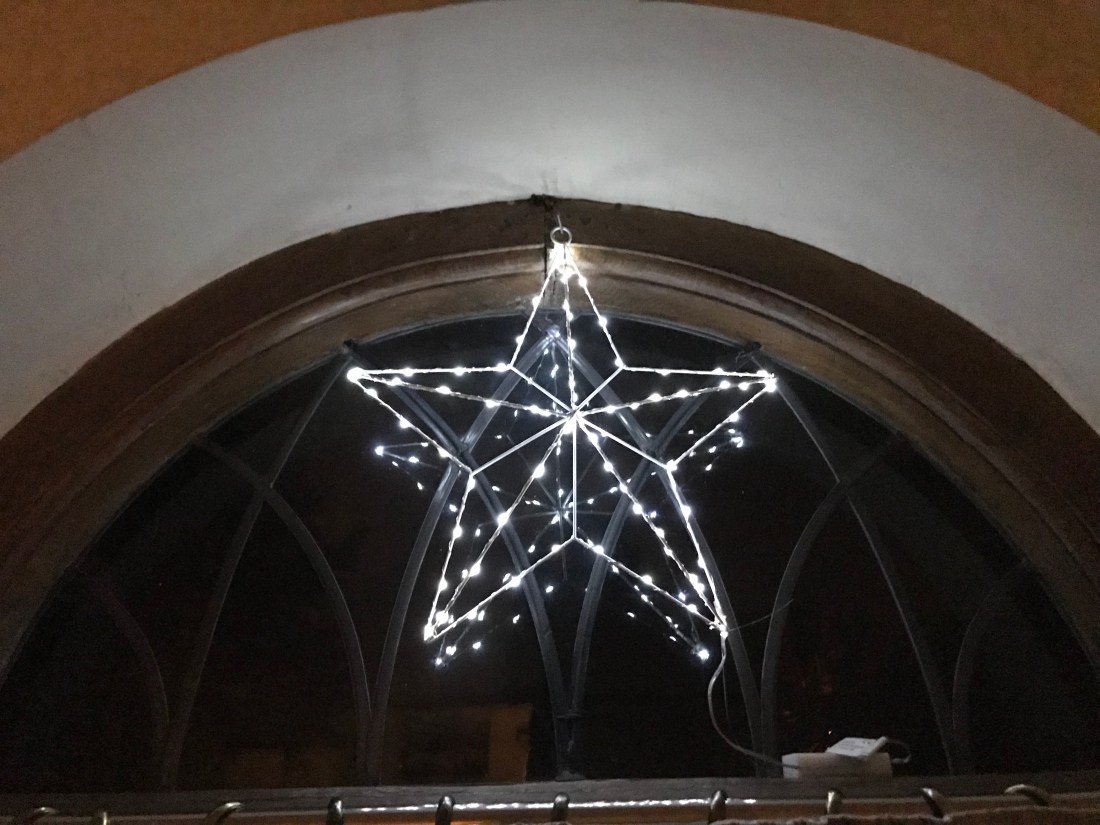
Another poem I chose because it made me think of Christmas. This one the star that the three wise men followed to see Jesus. The pictures are from my Christmas decorations.

The Star

Twinkle, twinkle, little star,

How I wonder what you are!

Up above the world so high,

Like a diamond in the sky.


When the blazing sun is gone,

When he nothing shines upon,

Then you show your little light,

Twinkle, twinkle, all the night.


Then the traveller in the dark,

Thanks you for your tiny spark,

He could not see which way to go,

If you did not twinkle so.


In the dark blue sky you keep,

And often through my curtains peep,

For you never shut your eye,

Till the sun is in the sky.


As your bright and tiny spark,

Lights the travellers in the dark-

Though I know not what you are,

Twinkle, twinkle, little star.


Jane Taylor

t6EVHElzTKuVLyCFmfqZ2Q

Lady Book Dragon

Friday Poetry

So for this week I’ve gone for a Christmas poem to get into the festive spirit. I hope everyone’s Christmas planning is going well. The picture is from my visit to the Sagrada Familia in Barcelona.

Christmas

The bells of waiting Advent ring,

The Tortoise stove is lit again

And lamp-oil light across the night

Has caught the streaks of winter rain

In many a stained-glass window sheen

From Crimson Lake to Hooker’s Green.


The holly in the windy hedge

And round the Manor House the yew

Will soon be stripped to deck the ledge,

The altar, font and arch and pew,

So that the villagers can say

‘The church looks nice’ on Christmas Day.


Provincial public houses blaze

And Coporation tramcars clang,

On lighted tenements I gaze

Where paper decorations hang,

And bunting in the red Town Hall

Says ‘Merry Christmas to you all’.


And London shops on Christmas Eve

Are strung with silver bells and flowers

As hurrying clerks the City leave

To pigeon-haunted classic towers,

And marbled clouds go scudding by

The many-steepled London sky.


And girls in slacks remember Dad,

And oafish louts remember Mum,

And sleepless children’s hearts are glad,

And Christmas-morning bells say ‘Come!’

Even to shining ones who dwell

Safe in the Dorchester Hotel.


And is it true? And is it true,

This most tremendous tale of all,

Seen in a stained-glass window’s hue,

A Baby in an ox’s stall?

The Maker of the stars and sea

Become a Child on earth for me?


And is it true? For if it is,

No loving fingers tying strings

Around those tissued fripperies,

The sweet and silly Christmas things,

Bath salts and inexpensive scent

And hideous tie to kindly meant,


No love that in a family dwells,

No carolling in frosty air,

Nor all the steeple-shaking bells

Can with this single Truth compare-

That God was Man in Palestine

And lives to-day in Bread and Wine.


John Betjeman


Lady Book Dragon