
A classic is a book that has never finished saying what it has to say.
Italo Calvino
I love this quote because the classics that I love and have read over and over again always show me something new.
Happy reading.
Lady Book Dragon
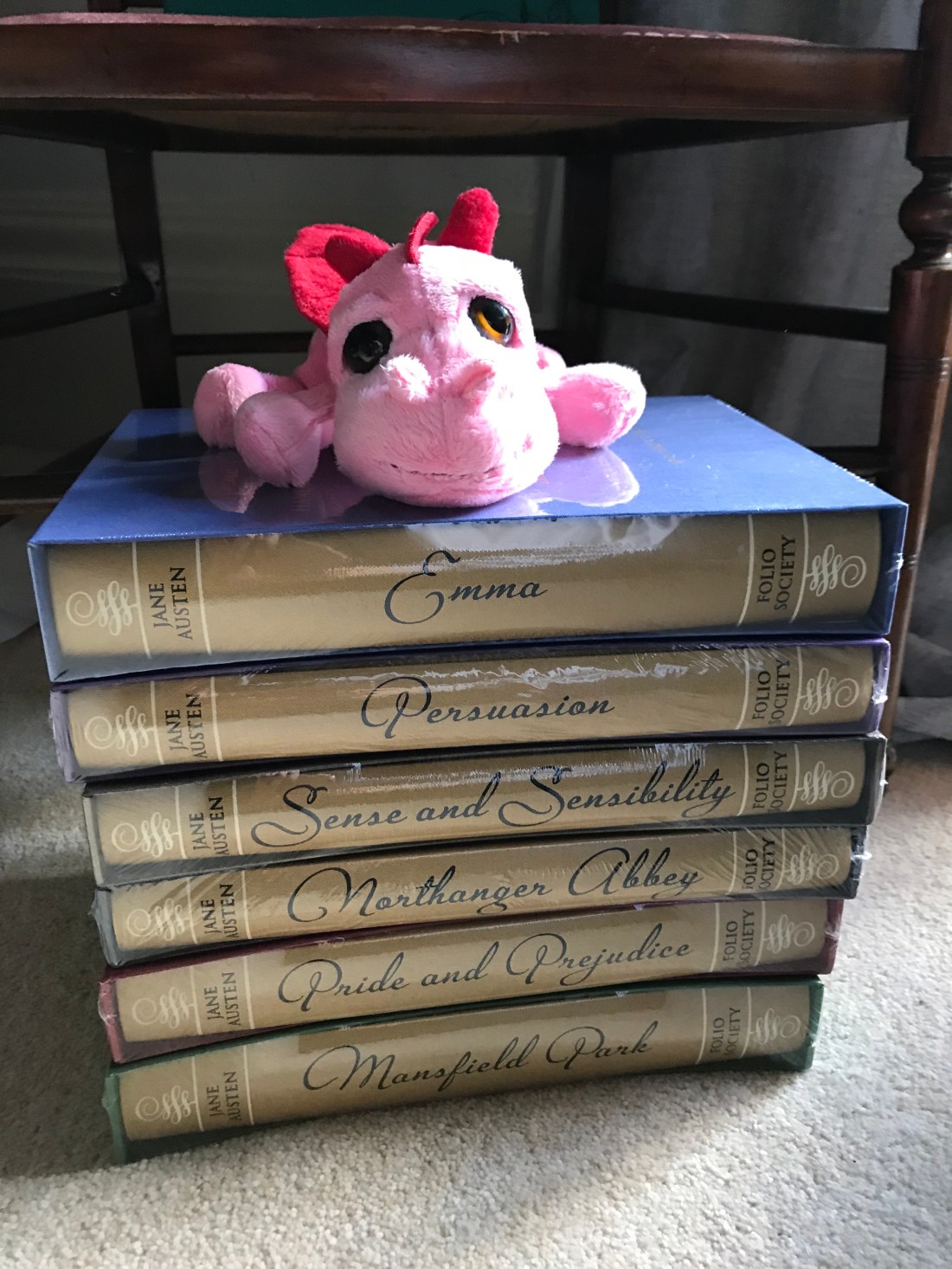
A classic is a book that has never finished saying what it has to say.
Italo Calvino
I love this quote because the classics that I love and have read over and over again always show me something new.
Happy reading.
Lady Book Dragon
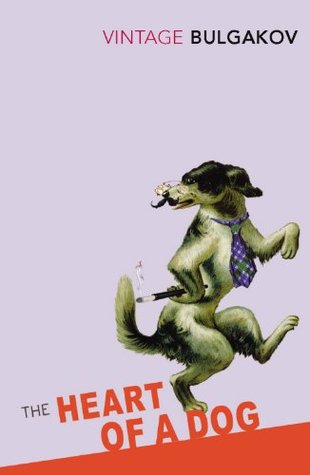
The Heart of a Dog by Mikhail Bulgakov (Translated by Michael Glenny)
About the author
Mikhail Bulgakov was born in Kiev on 15th May 1891. He trained as a doctor but gave up practising medicine in 1920 to devote his life to writing. In 1925 he completed The Heart of a Dog, which remained unpublished in the Soviet Union until 1987. By 1930 Bulgakov had become so frustrated by the suppression of his work that he wrote to Stalin begging to be allowed to emigrate if he was not given the opportunity to make his living as a writer in the USSR. Stalin telephoned him personally and offered him a job at the Moscow Arts Theatre. In 1938, he completed The Master and Margarita. He sadly died in 1940. In 1973 The Master and Margarita was finally published in full.
Blurb
A rich, successful Moscow professor befriends a stray dog and attempts a scientific first by transplanting into it the testicles and pituitary gland of a recently deceased man. A distinctly worryingly human animal is now on the loose, and the professor’s hitherto respectable life becomes a nightmare. An absurd and superbly comic story, this novel can also be read as a fierce parable of the Russian Revolution.
Review
This book was on a table in the Waterstones in London and I must admit I was intrigued. I do find the piles of books on the tables at Waterstones very tempting and I often end up buying books I usually would not go for. Having read a few books with cats on the cover recently I thought it was about time I read a book with a dog on the front. Sadly I found this book rather a disappointment.
Firstly, I have not read The Master and Margarita but it is on my to read pile and even though this book has been a disappointing read for me, I will give The Master and Margarita a chance and keep it on my to read pile. I do not regret reading this book, as it was interesting and I did enjoy small parts of it.
The story begins with the meeting of the stray dog and the dog’s thoughts. The poor dog has been badly wounded and is contemplating its end and the reader gets to see the world of Russia through its eyes. Then Professor Philip Philipovich comes on to the scene and befriends the wounded dog. This Professor takes the stray into his home, treats his wounds and appears to be a dream come true for the dog. The dog’s world has changed for the better and it is glorious, until it all changes and the Professor’s true intentions become clear.
The Professor specialises in rejuvenating people’s sexual organs by replacing them with animal organs. This becomes clear when he examines a lady and says he will replace her ovaries with the ovaries of a monkey. This to be honest disturbed me when I read it and I was dubious whether to continue, as things like that quite often put me off, but by this point I had fallen in love with the little dog and wanted to know what would happen to him next.
The graphic detail of the surgery really put me off and I must admit I had to skim some of the details as I could not handle it, especially just before sleep. It was extremely realistic and this is obviously where Bulgakov’s medical background comes in handy when writing about the surgery. Again I only kept going because I desperately wanted to know what would happen next to the dog.
The descriptions of the way Soviet Russia was becoming was very interesting and I can see how worrying it would have been for the people living in Russia at the time it was all happening. I can also see why the book was confiscated from Bulgakov, because the last thing the Soviet Union would have wanted was this bleak view of Russia being broadcast to the world. I think the stray dog’s point of view whilst in the doorway waiting for death was the best description of Russia and really summed up what Bulgakov was trying to get across.
However as the story went on, I just think it went somewhat off the rails and a bit too over the top for me. Also Philip started to drive me slightly crazy with his constantly quoting from the theatre for example “To the banks of the sacred nile…” it was like the man was demented and just made no sense.
The dog as a normal dog was the best part of this book and I just could not understand why a man would want to perform the experiment that he did to the dog. Maybe it is because I have no real interest in science but it just did not make sense. Frankenstein made sense to me because the good doctor was trying to find a cure for death but putting the testicles and pituitary gland of a human into a dog made no sense at all to me.
As a Russian book I was surprised at how short it was, my general experience of Russian literature is of huge tomes, some of which are my favourite books. Shortness for this book was one of its advantages though.
I do not think my review of this book will be popular as I tend to be against the general consensus but my views are my own and everyone has their own opinions, which is good as we would be a pretty boring race if we all felt and thought the same. My overall rating of the book is 2 stars out of 5, the reason it was not 1 star was because I liked the beginning a great deal and the dog before it all went wrong.
A quick read to while away an afternoon break like I used it for.
Lady Book Dragon
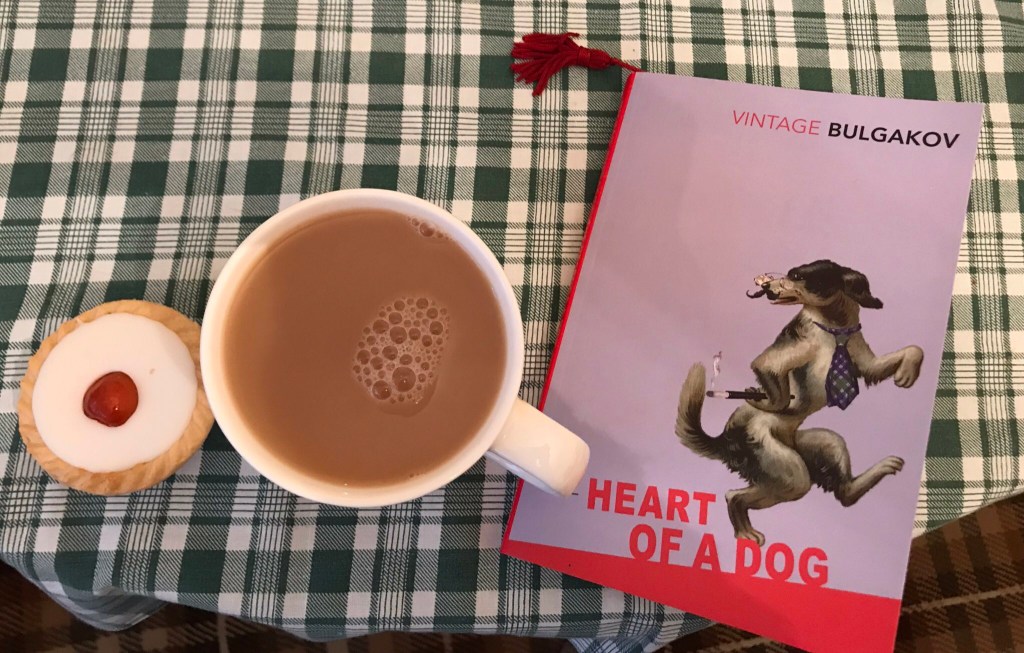

This week I have been trying to read a few poems, when I have the time and to be honest the inclination. I am determined in my quest though and will continue to read as much poetry as I can.
I chose this week’s poem because it made me giggle, and what better way to like something than when it makes you giggle. Also frogs and toads were my favourite animals as a child and I still have a soft spot for them. Happy reading!
“I’m nobody! Who are you?”
I’m nobody! Who are you?
Are you nobody, too?
Then there’s a pair of us – don’t tell!
They’d banish us you know.
How dreary to be somebody!
How public, like a frog
To tell your name the livelong day
To an admiring bog!
Emily Dickinson
Lady Book Dragon
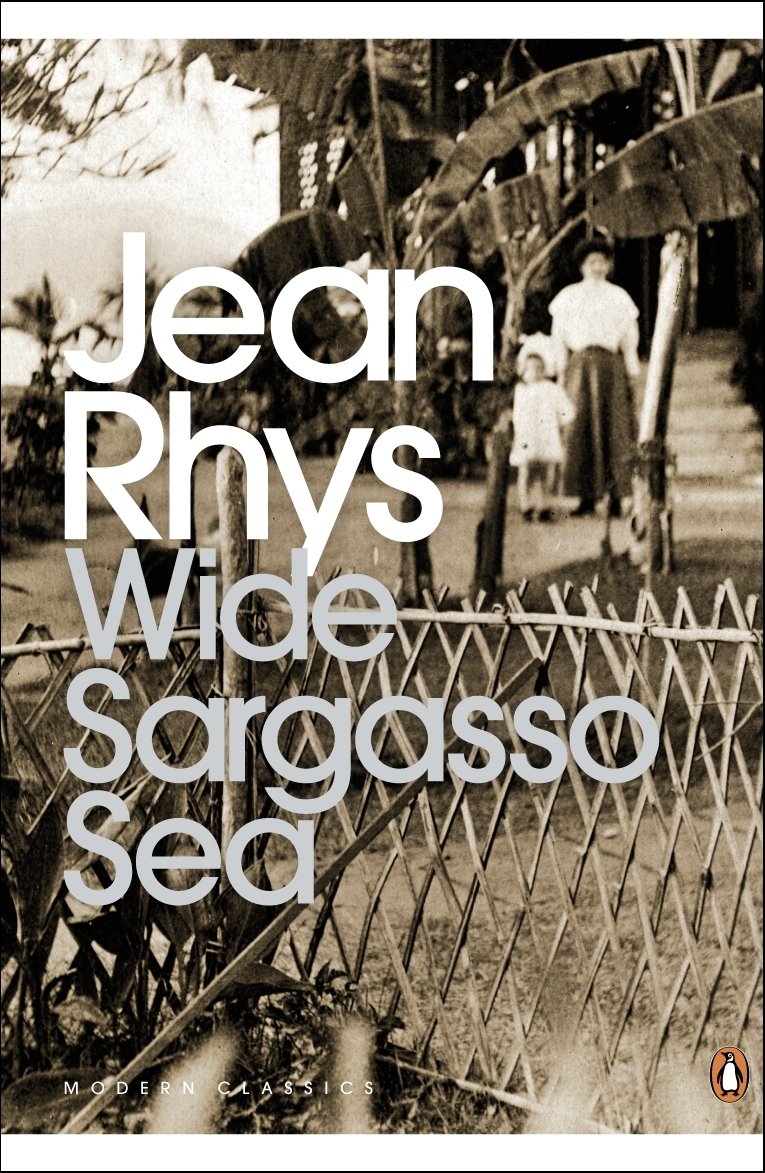

Wide Sargasso Sea by Jean Rhys
About the author
Jean Rhys was born in Dominica in 1890, the daughter of a Welsh doctor and a white Creole mother. At sixteen she moved to England, where she worked at many different jobs, chorus girl, and artist’s model being just two of them.
After her first marriage broke up she started to write and was encouraged by Ford Madox Ford. She wrote The Left Bank, Quartet, Mr Mackenzie, Voyage in the Dark and Good Morning, Midnight between 1927 and 1939. However due to the themes being way ahead of their time, the books eventually went out of print and Rhys was sadly forgotten about.
In 1966 she made a come back with Wide Sargasso Sea and won the Royal Society of Literature Award and the W. H. Smith Award with it. She was awarded an CBE in 1978 and sadly passed away in 1979.
Blurb
Born into an oppressive colonialist society, Creole heiress Antoinette Conway meets a young Englishman who is drawn to her innocent sensuality and beauty. After their marriage, disturbing rumours begin to circulate, poisoning her husband against her. Caught between his demands and her own precarious sense of belonging, Antoinette is driven towards madness.
Review
I know my review of this book might prove unpopular to most, but it is just my opinion and nobody has to believe the same. I bought this book a couple of months ago from the Bronte Parsonage Museum (one of my favourite places) with high hopes, as I had heard such good things about it and remember my English Literature teacher telling me I should definitely read it. So quite a few years later, I decided to listen to my English teacher. Sadly, I was greatly disappointed and I did not get on well with the book at all.

The book is written in three parts, the first part is told in Antoinette’s own words whilst she is a young girl. The second is in the words of her husband the young Mr Rochester telling us about his arrival in the West Indies, his marriage and subsequent events. The final part is again by Antoinette, but now set in England, in Thornfield Hall.
The first part I really struggled to get into and to be honest almost gave up on, I found it disjointed and difficult to read. I did feel sorry for Antoinette, her childhood was a not a happy one, her only real friend who seemed to be on her side was her Aunt Cora.
Mr Rochester was a complete alien to me and I was not impressed by his portrayal and I had to think of him completely unrelated to Jane Eyre just to continue reading. The plot is believable, of Mr Rochester having to marry for money, but he is way too gullible and quite frankly appears at times like a drunken lunatic himself.
Another major issue I had was Antoinette’s name, I just do not understand the change to Bertha, it just seems again too un-plausible a plot line to me.
I really struggled with this book, and it left me disappointed and to be honest slightly angry. My review is not all bad though I promise, I did really enjoy the third part of the book and how it linked up to Jane Eyre. The descriptions in the attic were good and well linked, in fact I would have liked a little more from the third part, as it is only short. I also really enjoyed how Rhys described the locations and the local people and you could really tell she was drawing on real life memories.
The book is only short and did not take me long to read thankfully, as I am not sure I would have completed it if it had been longer.
On Goodreads I gave this 2 out of 5 stars.
Purchase from
Lady Book Dragon
 Lady Book Dragon